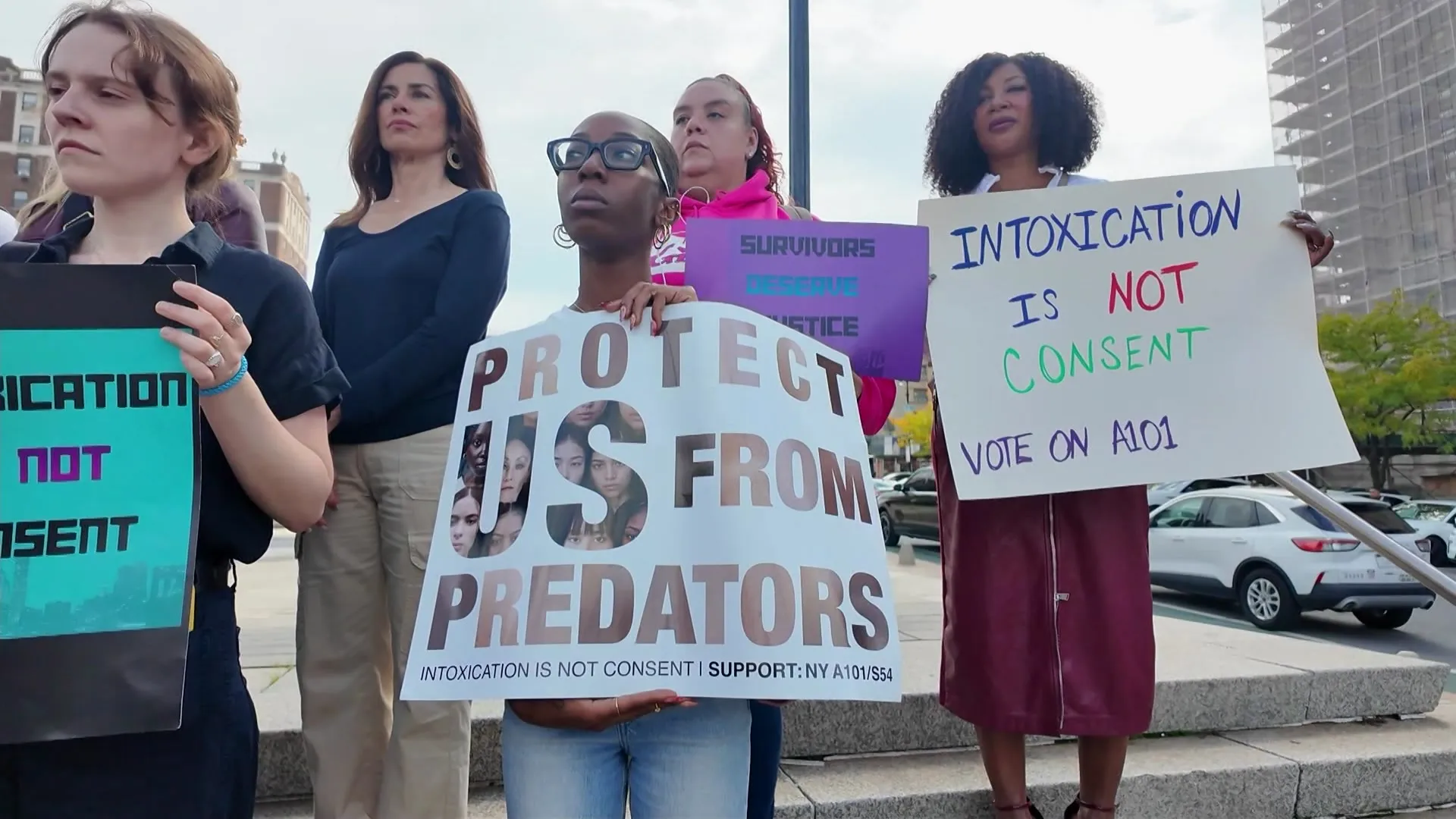
Intoxication
is not consent.
Women legislators are uniting across state lines to close the intoxication loophole, so drinking or using drugs can never free an attacker.
HER CHOICES
ARE NOT
PERMISSION.
Newsroom update
NY Senate passed S54A / A101 and S866 unanimously.
Now stalled in the Assembly
The law still asks
the wrong question.
In 19 states, a survivor’s decision to drink or use drugs can become a barrier to justice. When intoxication is voluntary, prosecutors face a higher bar, even when a survivor could not consent.
19
states where choosing to drink or use drugs can cost a survivor their case
✔
These states need your support.
In each state below, voluntary intoxication can make prosecution harder. The law must change.
01
Connecticut
NEEDS SUPPORT
02
Delaware
NEEDS SUPPORT
03
Florida
NEEDS SUPPORT
04
Hawaii
NEEDS SUPPORT
05
Indiana
NEEDS SUPPORT
06
Kentucky
NEEDS SUPPORT
07
Maine
NEEDS SUPPORT
08
Mississippi
BILL IN PROGRESS
09
Missouri
NEEDS SUPPORT
10
New Hampshire
NEEDS SUPPORT
11
New Jersey
NEEDS SUPPORT
12
New York
BILL IN ASSEMBLY
13
North Dakota
NEEDS SUPPORT
14
Oklahoma
NEEDS SUPPORT
15
Pennsylvania
NEEDS SUPPORT
16
Tennessee
BILL IN PROGRESS
17
Utah
NEEDS SUPPORT
18
West Virginia
NEEDS SUPPORT
19
Wyoming
NEEDS SUPPORT
Stay tuned for updates as filing opens. Source: Vote Run Lead Action
A growing network
of legislators.
One shared fight.
Vote Run Lead Action’s The Next 250 Power Network brings together women legislators to turn collective power into action when the law falls short. Intoxication is not consent, and a person’s choice to drink or use drugs should never shield an attacker from accountability.
Working across state lines, network members identify gaps in their laws and draw on different approaches, from New York’s proposed legislation and California’s SB 268 to Minnesota’s reform following State v. Khalil.
In partnership with survivor advocates, they share legislative language, adapt strategies to their states, and build support for reforms that close legal loopholes and strengthen protections. The goal is lasting legal change, state by state, not just a shared statement.

Power to change the law
Legislators can introduce consent-protection bills, recruit co-sponsors, and build the votes to pass them.
No state starts alone
Members swap bill language and strategy across state lines, so no legislator starts from a blank page.
Survivors at the center
We ask the question, “Does the law protect someone who could not consent, regardless of whether they chose to drink or use drugs?”
We don’t wait for change.
We move it.
Our laws should protect people who cannot consent. Instead, they treat a decision to drink or use drugs as a reason to deny victims justice.
We can change that.
New York’s S54A/A101 targets the voluntary-intoxication gap. California’s SB 268 addresses how rape of an intoxicated person is classified. Minnesota closed its legal loophole following State v. Khalil.
These examples give legislators concrete language and strategies to adapt to their states, not a one-size-fits-all solution. Together, the network can turn proven approaches into new legislation, build the coalitions to advance it, and secure the votes to change the law.
01
State law
Review
Work with counsel and survivor advocates to identify where the law fails people who choose to drink or do drugs.
02
Model bill
Co-sponsor
Legislate
Study the New York and California bills to adapt the relevant protections to your state, then introduce or co-sponsor a bill.
03

Amplify
Make the case publicly that intoxication is not consent. Recruit co-sponsors, support testimony, and keep the next vote in view.
Bring your state’s law to the table. Commit to the work by share what needs to change, learn from the bills in progress, and share with your network to build the support.
The legislators leading the fight.
Agreeing to drugs or alcohol does not and cannot equate to consent, nor can it negate the validity of any assault charges. It is well past time for this bill to become law.
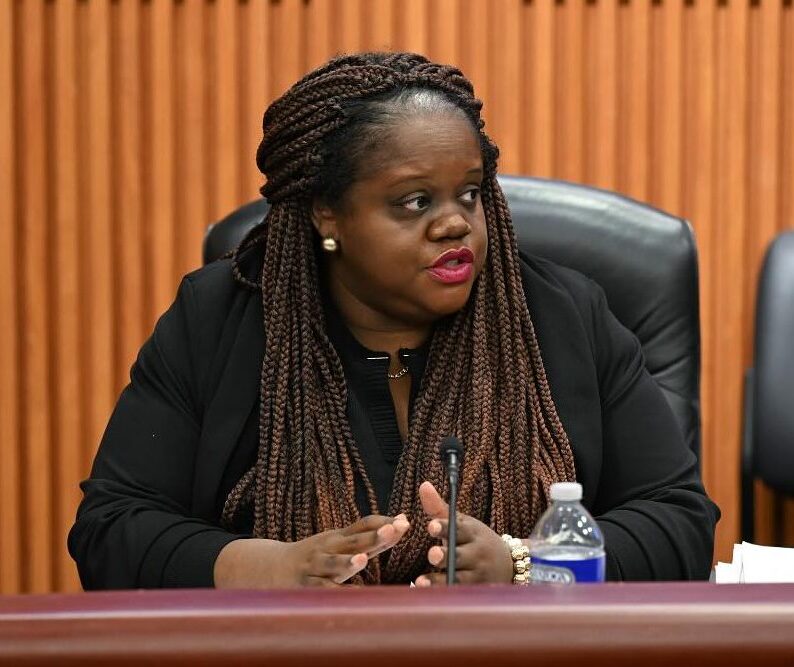
Sen. Lea Webb
New York
Consent should not depend on how someone became intoxicated, and survivors should not lose legal protections simply because they voluntarily consumed a substance. Indiana law should make clear that intoxication does not erase a person’s right to consent.
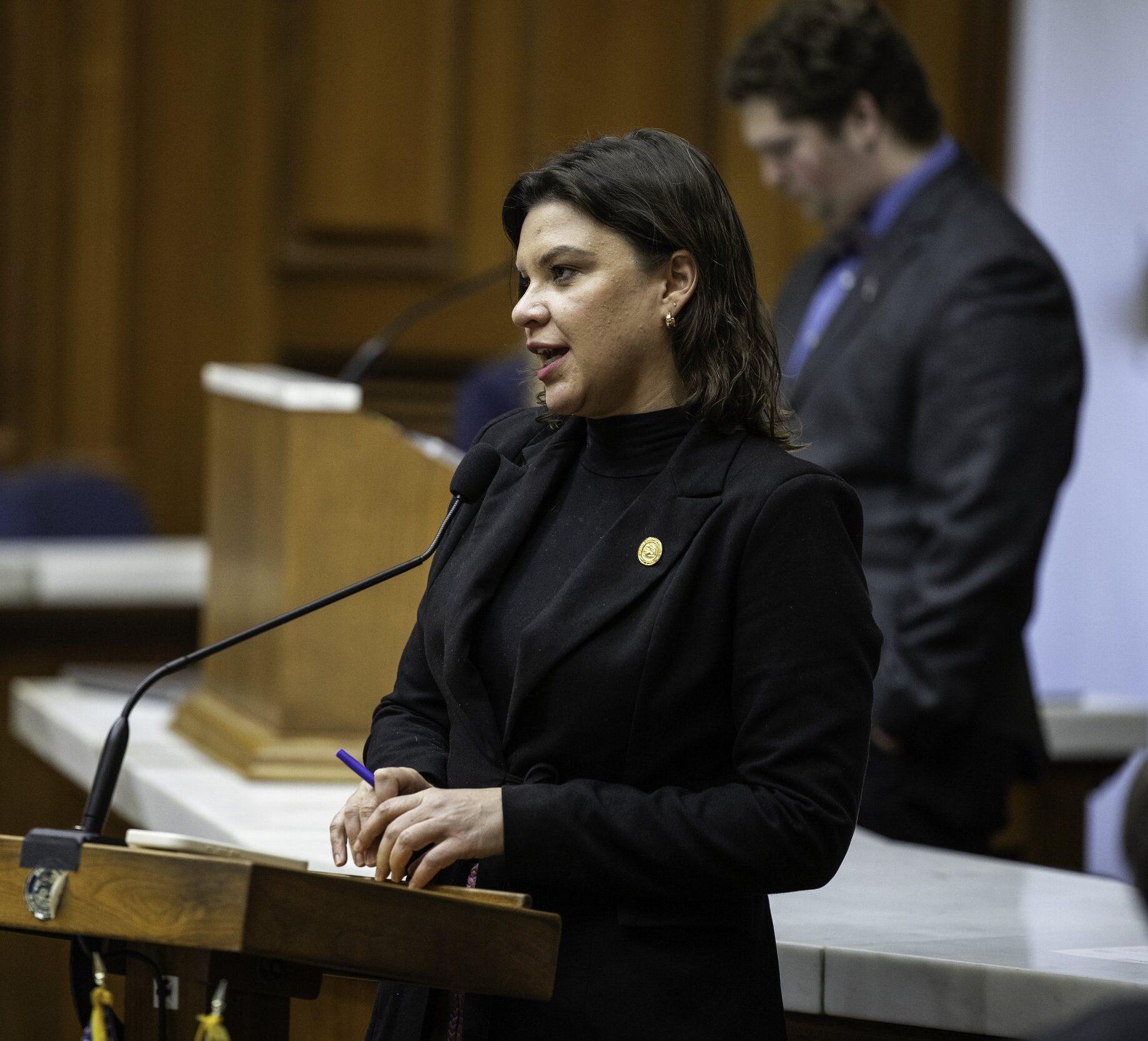
Rep. Maureen Bauer
Indiana
I was raped in college, which is why I’m proud to stand with women legislators across the country working to close dangerous gaps in our sexual assault laws. We’re fighting to ensure survivors are protected, perpetrators are held accountable, and the law is crystal clear: intoxication is not consent.
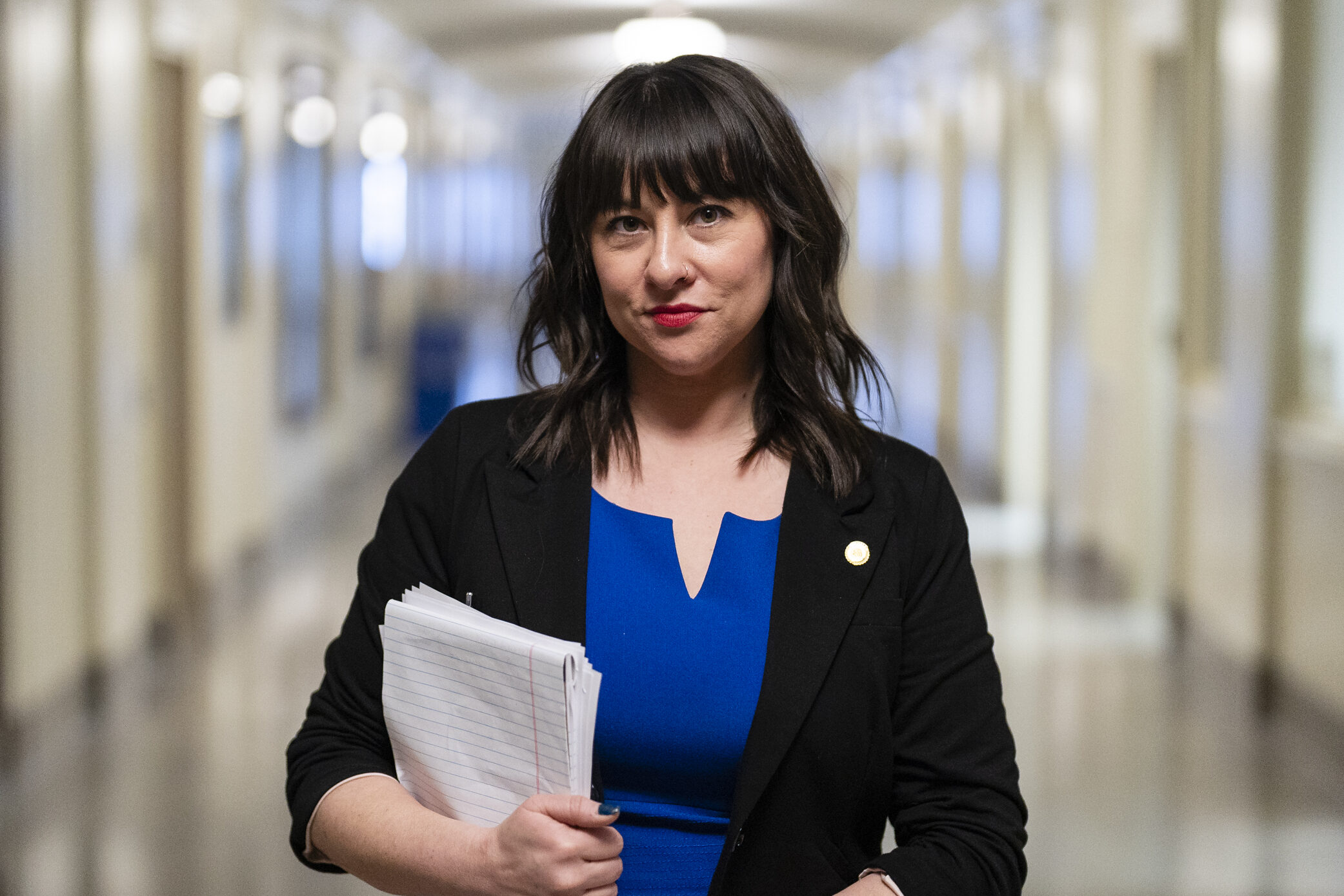
Rep. Ashley Aune
Missouri
If she ordered it herself, the law shrugs, and a rapist’s best defense becomes her bar tab. We’ve spent generations teaching women how not to get raped, instead of changing the law to mean too drunk to consent means too drunk to consent, no matter who poured the drink.

Rep. Aftyn Behn
Tennessee
I’m proud to join women lawmakers across the country in this fight to protect all victims of sexual assault. Every survivor deserves the protection of the law, and their safety and dignity must come first.

Kayla Young
West Virginia Delegate
Having a drink is a choice. Sexual assault is not. A survivor’s decision to drink should never be used to excuse violence committed against them.
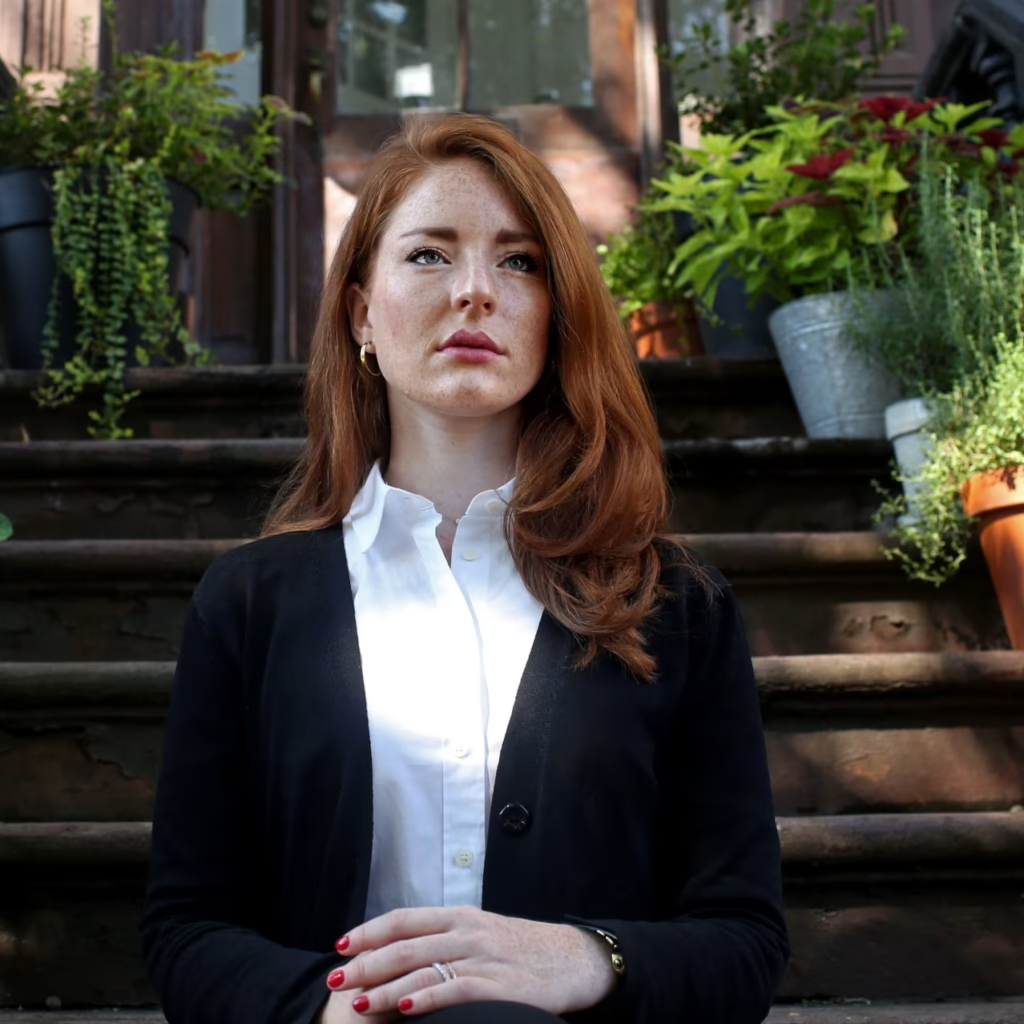
Rep. Katie
New Jersey
I’m committed to closing this gap in Kentucky because a woman’s right to bodily autonomy doesn’t end at the bottom of a glass and no attacker should get to use her drink as his defense.
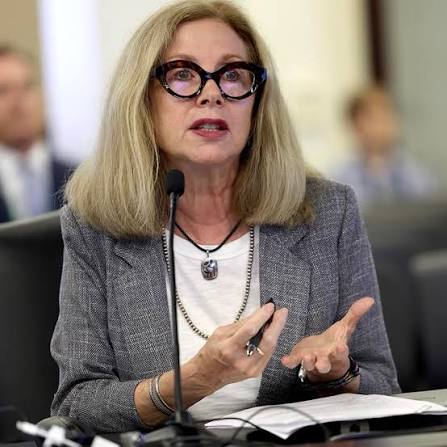
Rep. Lisa Willner
Kentucky
25 legislators. 19 states.
25 legislators, including 24 women, across 19 states are fighting in their statehouses. Add your name to show them the public is with them.
Connecticut: Sen. Mae Flexer (District 29)
Delaware: Rep. Eric Morrison (District 27)
Florida: Rep. Anna Eskamani (District 42)
Hawaii: Rep. Jeanne Kapela (District 5)
Indiana: Rep. Maureen Bauer (District 6)
Kentucky: Rep. Lisa Willner (District 35)
Maine: Rep. Valli Geiger (District 42)
Mississippi: Sen. Kamesha Mumford (District 26)
Mississippi: Rep. Timaka James-Jones (District 51)
Missouri: Rep. Ashley Aune (District 14)
New Jersey: Assemblywoman Katie Brennan (District 32)
New York: Sen. Lea Webb (District 52)
New York: Sen. Nathalia Fernandez (District 34)
New York: Sen. Samra Brouk (District 55)
New York: Assemblymember Jessica González-Rojas (District 34)
New Hampshire: Rep. Anita Burroughs (District 2)
New Hampshire: Rep. Christine Seibert (District 21)
North Dakota: Rep. Jayme Davis (District 9)
Oklahoma: Rep. Amanda Clinton (District 71)
Pennsylvania: Rep. Lisa A. Borowski (District 168)
Tennessee: Rep. Aftyn Behn (District 51)
Tennessee: Sen. Charlane Oliver (District 19)
West Virginia: Delegate Kayla Young (District 56)
Wyoming: Rep. Karlee Provenza (District 45)
Utah: Rep. Hoang Nguyen (District 23)
One sentence everywhere.
While Jane Doe is fighting in the courthouse, we’re fighting in the statehouse. Post the line, add your state, and invite your legislators to add their names. Everyone sees who is moving this legislation forward.
Intoxication
is not
consent.
Add your name.
Move your state.
Signing shows your state is paying attention. It commits you to review your law, with no commitment to any specific bill.